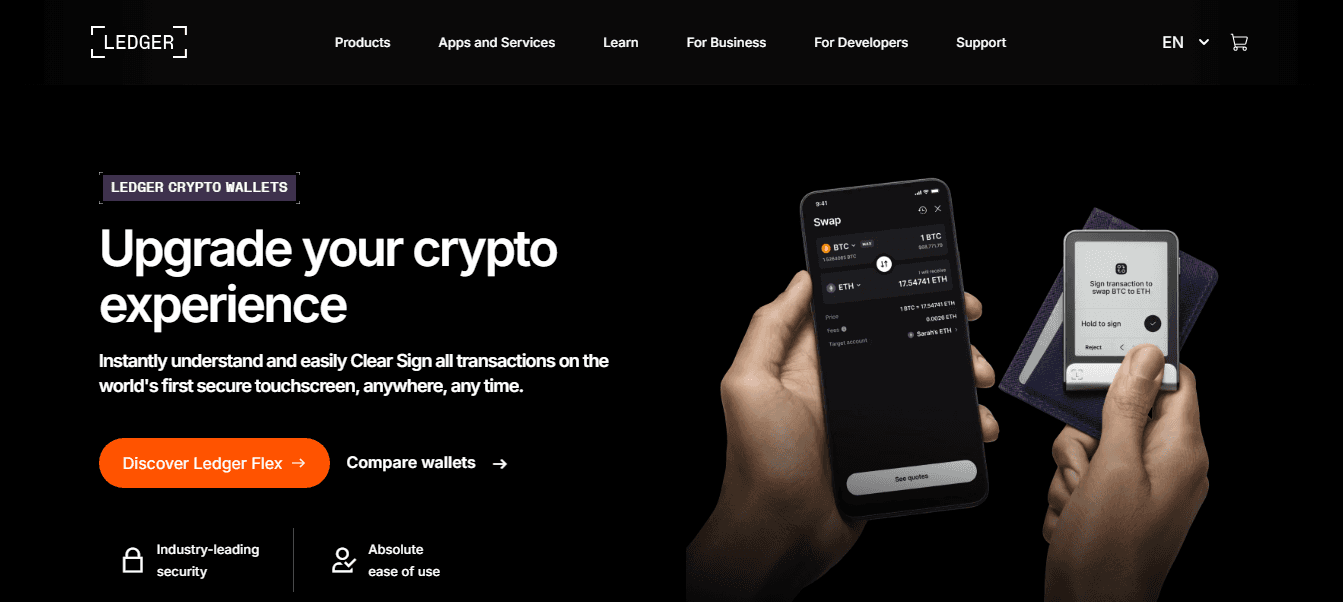
Ledger Login Explained: Secure Access to Your Digital Assets
With the rise of cryptocurrency ownership, protecting digital assets has become more important than ever. Password-based systems, cloud wallets, and centralized exchanges have repeatedly shown vulnerabilities to hacking, phishing, and data leaks. To address these risks, Ledger introduced a unique approach to authentication known as Ledger login.
Ledger login does not rely on usernames, passwords, or online credentials. Instead, it uses hardware-based verification, ensuring that access to your crypto assets requires physical confirmation from a Ledger device. This model provides one of the strongest security frameworks available in the crypto ecosystem today.
What Is Ledger Login?
Ledger login is the process of accessing cryptocurrency accounts through a Ledger hardware wallet using the Ledger Live application. Unlike traditional logins, there is no web-based account or password to remember.
Access is granted only when:
A Ledger hardware device is connected
The correct PIN is entered on the device
The device confirms access securely
This method ensures that your private keys remain offline and fully under your control at all times.
How Ledger Login Works Behind the Scenes
Ledger login is built around a simple but powerful concept: your private keys never leave the device.
Here’s what happens during login:
Ledger Live requests access to account data
The Ledger device verifies ownership internally
The Secure Element chip signs requests securely
Access is granted without exposing private keys
Even if your computer or smartphone is infected with malware, the attacker cannot access your funds without the physical Ledger device.
Ledger Login vs Traditional Authentication
Traditional authentication systems depend on passwords, which can be compromised in many ways. Ledger eliminates these risks entirely.
Key Differences
No password storage
No centralized database
No remote access without hardware
No browser-based login
Ledger login relies on physical possession + PIN verification, which is far more secure than password-only systems.
The Role of Ledger Live in Login Access
Ledger Live is the official software interface used to manage Ledger devices. It does not store private keys or act as a wallet on its own.
Ledger Live allows users to:
View balances
Manage crypto accounts
Initiate transactions
Install blockchain apps
Monitor portfolio performance
However, Ledger Live cannot function independently. Every sensitive action requires confirmation through Ledger login using the hardware wallet.
Step-by-Step Overview of Ledger Login
Step 1: Open Ledger Live
Launch Ledger Live on your desktop or mobile device. Ensure you are using the latest official version.
Step 2: Connect Your Ledger Device
Connect your Ledger device using a USB cable or Bluetooth (for supported models).
Supported devices include:
Ledger Nano S
Ledger Nano S Plus
Ledger Nano X
Step 3: Unlock the Device
Enter your PIN directly on the Ledger device. This unlocks access and completes the Ledger login process.
Step 4: Verify Access
Once unlocked, Ledger Live syncs account data and allows secure interaction with your crypto assets.
Ledger Login on Mobile Devices
Ledger login is not limited to desktop computers. Mobile support offers flexibility without sacrificing security.
Android
USB and Bluetooth support
Full Ledger Live functionality
iOS
Bluetooth support (Nano X only)
Secure transaction approval
All mobile logins still require physical confirmation on the Ledger device.
Security Technologies Behind Ledger Login
Secure Element Chip
Ledger devices use a tamper-resistant Secure Element chip that protects private keys even against advanced attacks.
Offline Key Storage
Private keys are generated and stored offline inside the device, never touching the internet.
Physical Confirmation
Every transaction must be approved by pressing buttons or touching the device screen.
Automatic Locking
The device locks automatically after inactivity, requiring PIN re-entry.
Ledger Login and the Recovery Phrase
During setup, Ledger generates a 24-word recovery phrase. This phrase is not part of daily login but serves as a backup.
Important facts:
It restores access if the device is lost
It should never be shared
It should never be typed online
Anyone with it can control your funds
Ledger login does not require the recovery phrase unless you are restoring your wallet.
Common Ledger Login Problems and Solutions
Device Not Detected
Causes:
Faulty cable
USB permission issues
Outdated software
Fix:
Use original cables
Update Ledger Live
Restart your system
Locked Device Due to PIN Errors
Too many incorrect PIN attempts trigger a device reset.
Fix:
Restore using recovery phrase
Set a new PIN
Ledger Live Not Syncing
This may occur due to network issues.
Fix:
Refresh accounts
Clear cache
Check internet connection
Ledger Login vs Exchange Access
FeatureLedger LoginExchange LoginPrivate key ownershipYesNoPassword requiredNoYesOffline protectionYesNoCustodial riskNoneHighTransaction controlFullLimited
Ledger login gives users complete control and true ownership of their crypto.
Best Practices for Secure Ledger Login
To maintain maximum safety:
Only download Ledger Live from official sources
Never share your recovery phrase
Verify addresses on the device screen
Keep firmware updated
Avoid public computers
Ignore emails requesting wallet details
Is Ledger Login Hack-Proof?
While no system is absolutely immune, Ledger login is among the most secure methods available. Most reported losses are caused by:
Phishing attacks
Fake Ledger apps
Poor recovery phrase storage
The hardware itself remains extremely difficult to compromise.
Who Should Use Ledger Login?
Ledger login is ideal for:
Long-term crypto investors
High-value asset holders
Users seeking self-custody
Anyone prioritizing security over convenience
It offers peace of mind that software wallets cannot match.
Final Thoughts
Ledger login represents a major shift in how digital assets are protected. By removing passwords, eliminating online key storage, and requiring physical verification, Ledger delivers a security model built for the future of cryptocurrency.
For anyone serious about protecting their crypto, understanding and using Ledger login correctly is not optional—it is essential.