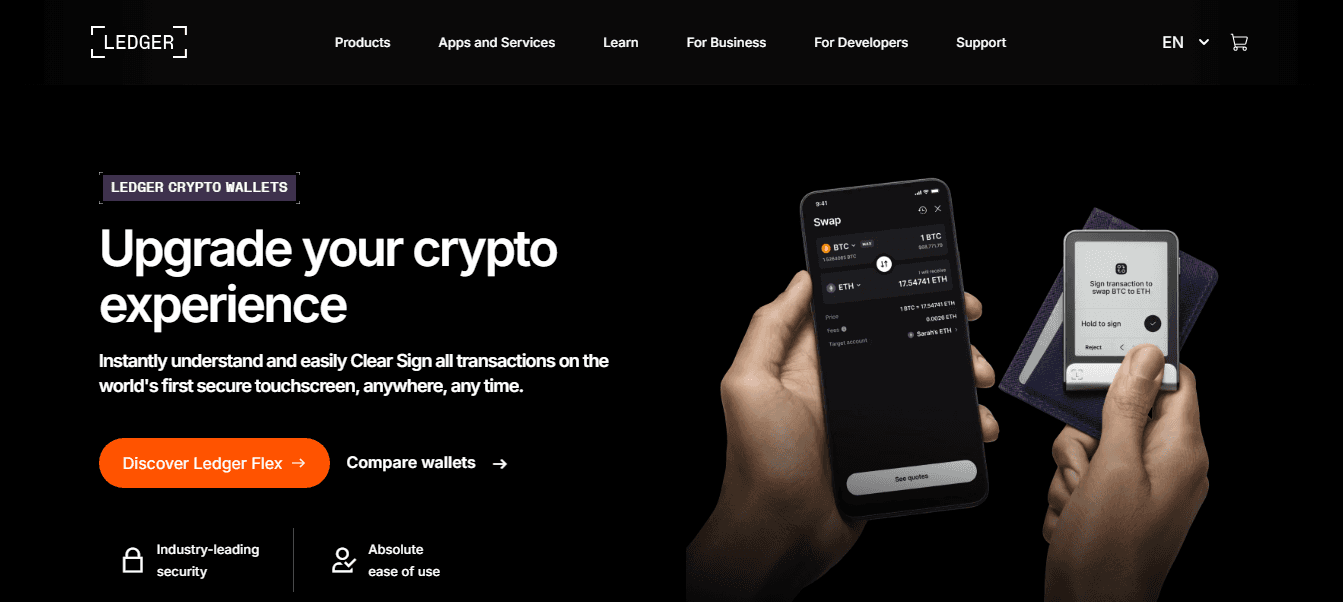
Ledger Login: How Secure Hardware-Based Access Protects Your Crypto
As digital assets continue to gain mainstream adoption, security has become the most critical concern for cryptocurrency users. Online wallets, browser extensions, and centralized exchanges often rely on passwords and internet-connected systems, making them frequent targets for cybercriminals. This is where Ledger login stands apart.
Ledger does not rely on traditional login credentials. Instead, it uses hardware-based authentication, ensuring that access to your cryptocurrency accounts requires physical confirmation through a Ledger device. This approach dramatically reduces the risk of hacking, phishing, and unauthorized access.
This guide explains what Ledger login is, how it works, why it is different from conventional logins, and how to use it safely for long-term crypto protection.
Understanding Ledger Login
Ledger login is the secure process of accessing and managing cryptocurrency accounts through a Ledger hardware wallet using the Ledger Live application. Unlike standard logins that use usernames and passwords, Ledger relies on:
Physical device ownership
PIN-based authentication
Secure cryptographic verification
On-device transaction approval
Your private keys never leave the Ledger device and are never exposed to the internet. This makes Ledger login one of the safest authentication methods in the cryptocurrency ecosystem.
Why Ledger Does Not Use Passwords
Traditional logins depend on passwords stored on servers or devices. These passwords can be stolen through malware, phishing attacks, or data breaches. Ledger eliminates this risk entirely.
Ledger login works without:
Email addresses
Usernames
Passwords
Cloud-based authentication
Instead, security depends on something you have (the Ledger device) and something you know (your PIN or optional passphrase).
The Role of Ledger Live in the Login Process
Ledger Live is the official software interface that allows users to interact with their Ledger device. It acts as a dashboard, not a wallet that stores private keys.
With Ledger Live, you can:
View cryptocurrency balances
Send and receive digital assets
Add or remove coin accounts
Install blockchain applications
Update device firmware
Ledger Live alone cannot grant access. The Ledger device must be connected, unlocked, and physically approved to complete the login process.
Step-by-Step Explanation of Ledger Login
1. Launch Ledger Live
Open Ledger Live on your desktop or mobile device. The application will prompt you to connect your Ledger hardware wallet.
2. Connect Your Ledger Device
Use a USB cable or Bluetooth (for supported models) to connect your Ledger device. Supported models include:
Ledger Nano S
Ledger Nano S Plus
Ledger Nano X
Once connected, Ledger Live will recognize the device automatically.
3. Unlock the Device with Your PIN
Enter your PIN directly on the Ledger device. This step ensures that even if someone has access to your computer or phone, they cannot access your crypto without the device.
After the correct PIN is entered, Ledger Live grants account access.
4. Confirm Access and Actions
Ledger login is completed once the device is unlocked. Any sensitive action—such as sending crypto—requires additional confirmation on the device screen.
Ledger Login on Desktop vs Mobile
Desktop Login
Desktop login provides full access to Ledger Live features, including:
Firmware updates
App installation and removal
Advanced portfolio management
Multi-account control
Desktop platforms are ideal for long-term management and advanced users.
Mobile Login
Mobile Ledger login is designed for convenience while maintaining security.
Android supports USB and Bluetooth
iOS supports Bluetooth (Ledger Nano X only)
Mobile login allows users to check balances and send crypto on the go, with the same device-based approval process.
Ledger Login Security Architecture
Ledger login is built on several advanced security layers:
Secure Element Chip
Ledger devices use a certified Secure Element chip that protects private keys against physical and software attacks.
Offline Key Storage
Private keys are generated and stored offline within the device and are never exposed to the internet or Ledger Live.
Physical Confirmation
All transactions must be manually confirmed on the device itself, preventing malware or remote attacks.
Automatic Device Lock
After inactivity, the device locks automatically, requiring PIN re-entry.
Ledger Login and Recovery Phrase
Your 24-word recovery phrase is the master backup for your Ledger wallet.
Important facts:
It is generated offline during setup
It is not part of the login process
It should never be entered into Ledger Live unless restoring
Anyone with the phrase can access your funds
Ledger login does not require the recovery phrase unless you are restoring your wallet.
What Happens If Ledger Login Fails
Device Not Recognized
This usually occurs due to:
Faulty cables
Outdated Ledger Live
USB permission issues
Fix: Use an original cable, update Ledger Live, and restart your system.
Too Many Incorrect PIN Attempts
Ledger devices reset automatically after multiple incorrect PIN attempts.
Fix: Restore the wallet using your recovery phrase and set a new PIN.
Ledger Live Sync Issues
Sometimes balances may not display correctly due to network delays.
Fix: Refresh accounts or clear Ledger Live cache.
Ledger Login vs Cloud Wallet Access
FeatureLedger LoginCloud WalletPrivate key controlFullLimitedInternet dependencyMinimalHighPassword requiredNoYesPhishing resistanceStrongWeakThird-party custodyNoneYes
Ledger login ensures true self-custody of digital assets.
Best Practices for Secure Ledger Login
To maintain maximum security:
Never connect your Ledger device to untrusted computers
Always verify addresses on the device screen
Store your recovery phrase offline in multiple secure locations
Keep Ledger Live updated
Avoid browser extensions claiming to support Ledger login
Never respond to emails requesting recovery phrases
Can Ledger Login Be Compromised?
Ledger login is extremely secure when used correctly. Most security incidents occur due to:
Phishing scams
Fake Ledger Live downloads
Poor recovery phrase storage
The device itself is designed to resist both physical and digital attacks.
Using Ledger Login for Long-Term Storage
Ledger login is especially well-suited for:
Long-term investors
High-value crypto holders
Institutional-level security needs
Users who want full control over assets
By combining offline key storage with hardware verification, Ledger offers one of the safest login systems available.
Frequently Asked Questions
Is Ledger login anonymous?
Ledger does not require personal information to log in, but Ledger Live may connect to blockchain networks for balance updates.
Can I log in without my Ledger device?
No. The device is required for all access and transactions.
Can multiple Ledger Live apps use the same device?
Yes. You can install Ledger Live on multiple devices and log in using the same Ledger hardware wallet.
Final Thoughts
Ledger login redefines what secure access means in the world of cryptocurrency. By removing passwords, eliminating online key storage, and requiring physical confirmation, Ledger ensures that users remain in full control of their digital assets.
Whether you are holding crypto for daily use or long-term investment, understanding and properly using Ledger login is essential for protecting your funds against modern cyber threats.